
Biomedical Training & Mobile Diagnostics

Hands-on biomedical training that comes to you.

Educational Mobile Diagnostics delivers mobile, on-site diagnostic equipment services and hands-on biomedical / clinical-engineering education for schools, colleges, and healthcare training programs. Live calibration and preventive-maintenance demonstrations, BMET instruction, and field-service training — brought to your classroom or facility. Part of the BioMedRx / A1 network.

Biomedical equipment calibration training demonstration
On-Site
Training Brought to You
BMET
Biomedical Technician Education
Hands-On
Live Calibration & PM Labs
A1
Part of the BioMedRx Network

Training & Mobile Diagnostic Services

Hands-on biomedical and clinical-engineering education paired with mobile, on-site diagnostic equipment services for schools, colleges, and healthcare training programs.

BMET Education & Training

Biomedical equipment technician curriculum support with live, instructor-led sessions brought to your classroom or lab.

Calibration Demonstrations

Hands-on medical, laboratory, and imaging equipment calibration labs so students learn accepted procedures on real devices.

Preventive Maintenance Labs

Guided PM and inspection workshops covering documentation, safety testing, and scheduled-maintenance workflows.

Field Service Training

Mobile, on-site instruction in troubleshooting, repair, and diagnostics for biomedical and hospital equipment.

Isolated Power & Safety Testing

Instruction on isolated power systems, line-isolation monitors, and electrical-safety testing for clinical environments.

Program & Curriculum Support

Turnkey lab setup, equipment, and instructor resources for schools and healthcare programs building BMET pathways.

News & Program Updates

Training-program announcements, field-service notes, and stories from the schools and healthcare programs we teach.

Educational

New Mobile BMET Training Cohort Brings Hands-On Field Service Instruction to Community Colleges

Biomedical equipment technicians — BMETs — install, inspect, repair, and calibrate the medical devices hospitals depend on, and the field has faced a persistent workforce gap as experienced technicians retire faster than new ones enter. Community colleges and associate-degree programs in biomedical equipment technology have become the main pipeline, and industry groups have long emphasized hands-on competency alongside classroom theory.

The case for live-equipment labs is straightforward: troubleshooting a real infusion pump, patient monitor, or diagnostic instrument builds skills that lecture alone cannot. Students who practice on actual devices — following manufacturer service procedures, using calibrated test tools, and documenting their work — arrive on the job ready to contribute to an equipment-management program rather than starting from scratch.

Bringing that instruction on-site to campuses lowers the barrier for programs that cannot maintain a full device inventory of their own. The broader aim is a steadier supply of qualified technicians, which ultimately supports the safety and uptime of the equipment that patient care relies on.

Sources: AAMI — Advancing Safety in Health Technology; U.S. Bureau of Labor Statistics — Medical Equipment Repairers


Apr 23, 20267 min read
Informative

Inside a Calibration Lab: How We Teach Accepted Procedures on Real Laboratory Equipment

Calibration is the disciplined comparison of an instrument against a reference of known accuracy, and its credibility rests on traceability — an unbroken chain of comparisons linking a working tool back to national or international measurement standards maintained by bodies such as NIST. Teaching calibration properly means teaching that chain, not just the button-pressing: what the reference is, how uncertain the measurement is, and why the paperwork matters as much as the reading.

On live laboratory instruments, students learn the accepted-procedure mindset that quality systems and standards like ISO/IEC 17025 formalize: documented methods, controlled conditions, recorded environmental factors, and calibration certificates that another technician — or an auditor — could follow and reproduce. Handling real equipment also teaches the judgment calls that theory glosses over, from spotting a drifting reading to deciding when a tool is out of tolerance.

The outcome is technicians who understand that a calibration is only as good as its documentation and traceability. That habit of rigor carries directly into clinical and field settings, where a defensible calibration record is what allows a measurement to be trusted for patient care.

Sources: NIST — Calibration Services; AAMI — Advancing Safety in Health Technology

Apr 19, 20266 min read
Field Notes

Teaching Electrical Safety: A Day of Isolated Power and Line-Isolation Monitor Testing

Certain high-risk clinical spaces — notably wet procedure locations such as some operating rooms — may be equipped with isolated power systems, an electrical design that reduces the risk of dangerous fault currents to staff and patients. A line-isolation monitor continuously watches such a system and alarms if leakage rises toward a hazardous threshold, giving the clinical team warning before a fault becomes a shock hazard. These systems and their testing are addressed within NFPA 99, the Health Care Facilities Code.

Teaching this material hands-on matters because the concepts are abstract until a student watches a monitor respond to a simulated fault. A field session lets learners see how the isolated system behaves, how the monitor is verified, and how results are documented — the same verification a facility must be able to show a surveyor. Understanding when isolated power is required, and how to confirm it is working, is core competency for technicians serving critical-care environments.

The larger lesson is respect for the stakes. Electrical safety testing in patient-care areas is not a formality; it is a patient-and-staff protection that only works if it is performed correctly and recorded honestly. Building that seriousness in training is as important as teaching the procedure itself.

Sources: NFPA 99 — Health Care Facilities Code; The Joint Commission — Standards

Apr 14, 20265 min read

2026 Compliance & Industry Update

How mobile, on-site diagnostics help programs and worksites stay current with occupational health and student-screening requirements.

OSHA Hearing Conservation (29 CFR 1910.95)

OSHA's Occupational Noise Exposure standard requires employers with noise exposures at or above an 8-hour time-weighted average of 85 dBA to implement a hearing conservation program, including baseline and annual audiometric testing for exposed workers. Mobile on-site audiometric testing lets employers meet these annual requirements without pulling workers off the job.

Mobile Screening for Schools & Districts

Schools and districts increasingly use mobile screening units to meet student vision and hearing screening mandates. On-site units bring calibrated testing directly to campuses, reducing scheduling burden while keeping screening records current and complete.

Let's build your training program.

Tell us your school or program and the equipment your students need to learn. We'll bring hands-on biomedical training and mobile diagnostic services on-site, on your schedule.

Free Guide · PDF

Diagnostics That Come to Campus

Download our free illustrated guide — practical, current, and written for 2026.

↓ Download the eBook
Watch

Videos

FAQ

Frequently Asked Questions

What biomedical equipment services does Educational Mobile Diagnostics provide?
We provide preventive maintenance, corrective repair, calibration, electrical safety inspection, and isolated power system (IPS) testing for hospitals, surgery centers, and clinics.
Are your biomedical technicians certified?
Yes. Our BMETs are certified and our work follows Joint Commission, CMS, and NFPA 99 standards so your facility stays survey-ready.
How fast can you respond to an equipment failure?
We offer scheduled preventive maintenance plus priority on-call service to minimize downtime on critical medical equipment.
Do you help with regulatory compliance and documentation?
We do. Every service includes the documentation you need for Joint Commission, CMS, and NFPA 99 surveys.
How do I request service or a quote?
Call (424) 204-2382 or email info@educationalmobilediagnostics.com and our team will schedule an assessment.
Devin Lockett, Founder
About the Founder

Devin Lockett

Devin Lockett is the founder and entrepreneur behind this venture and the wider BiomedRx family of companies—spanning healthcare technology, wellness, media, and community initiatives. He builds brands focused on quality, service, and independent ownership.

Shop

Recommended on Amazon

As an Amazon Associate we earn from qualifying purchases. Prices and availability are subject to change.

Get cash back when you join Amazon Prime
View on Amazon →
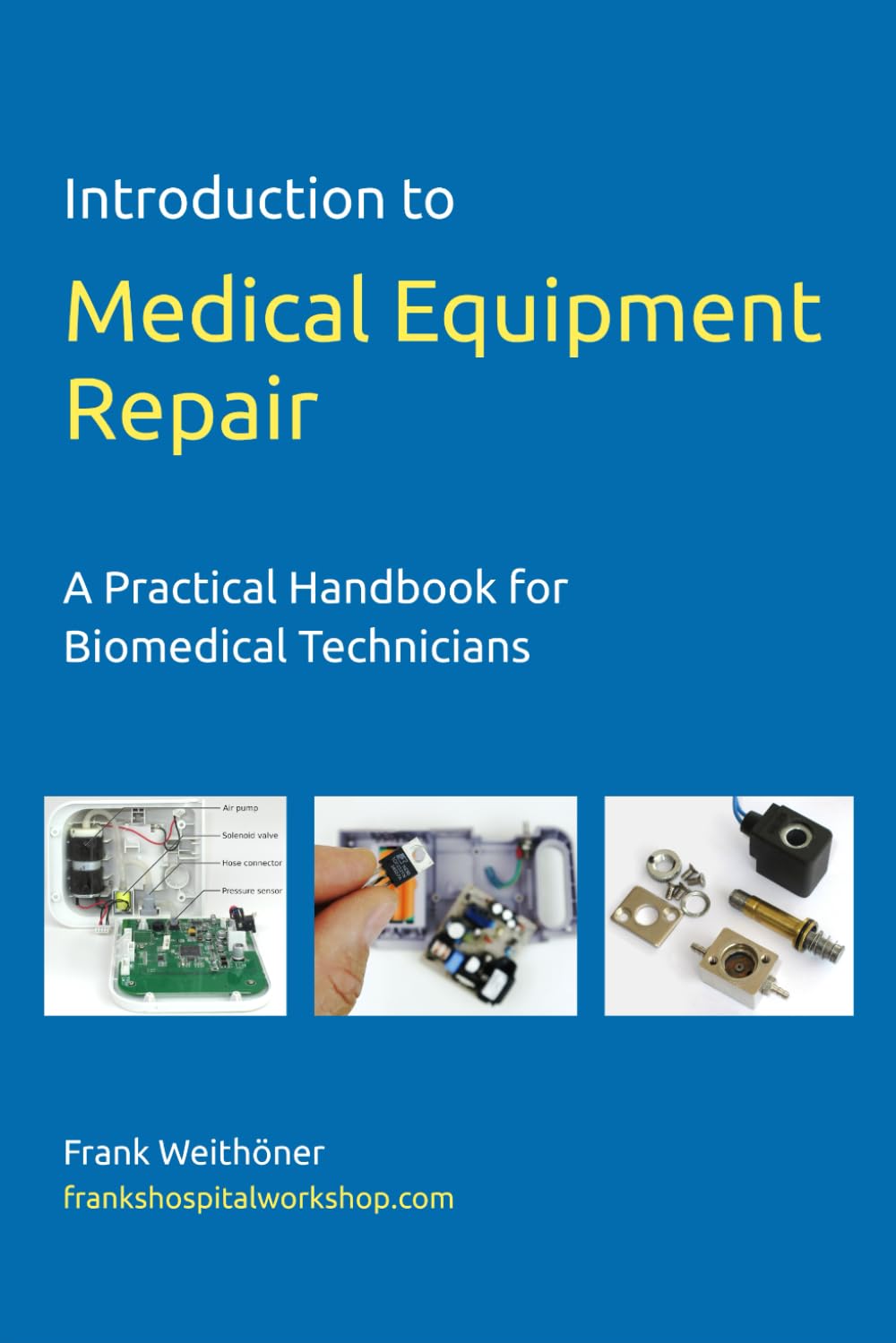
Introduction to Medical Equipment Repair
View on Amazon →
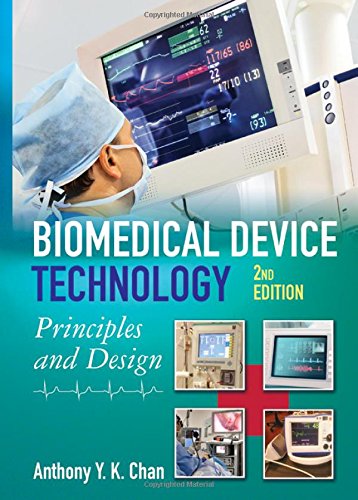
Biomedical Device Technology
View on Amazon →
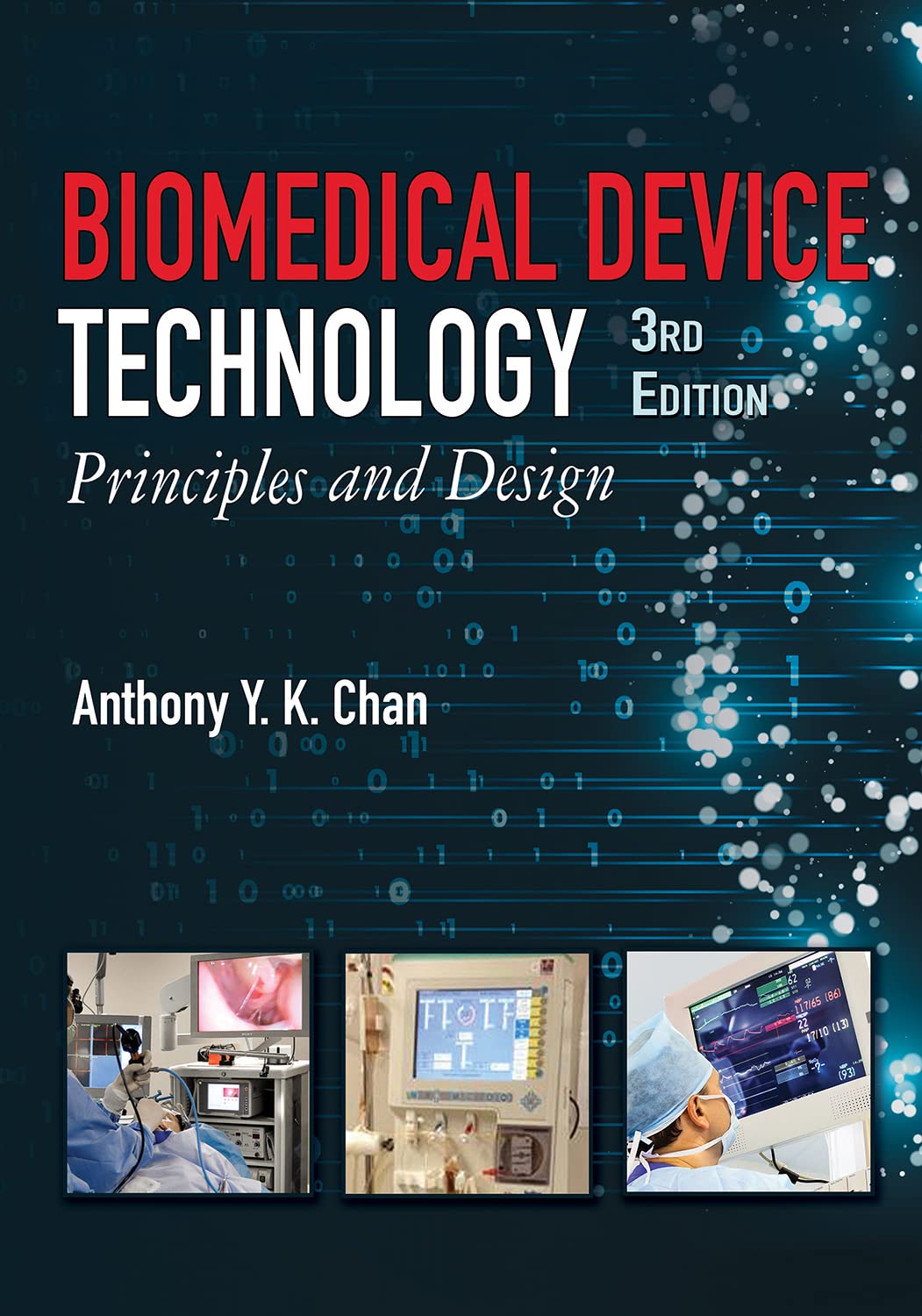
Biomedical Device Technology
View on Amazon →
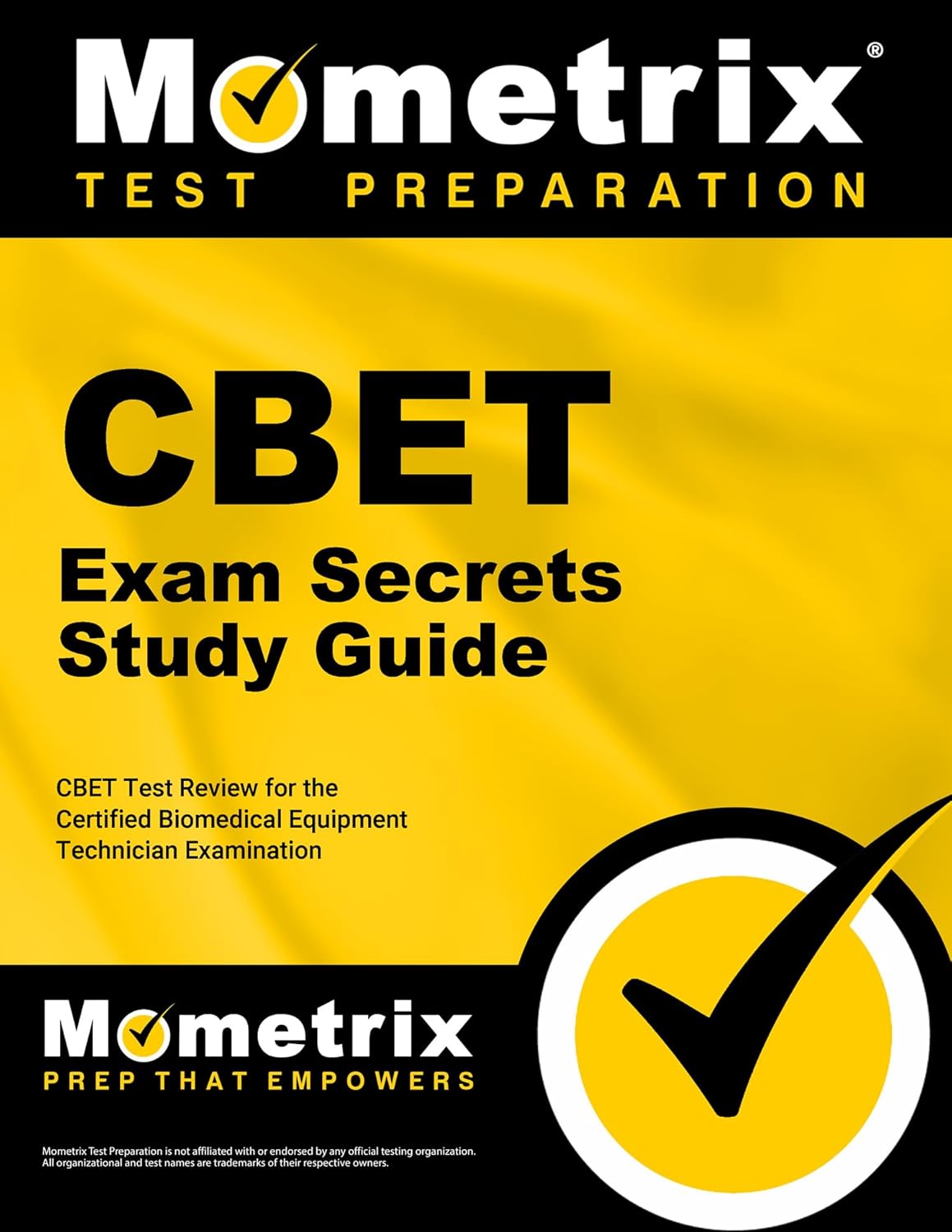
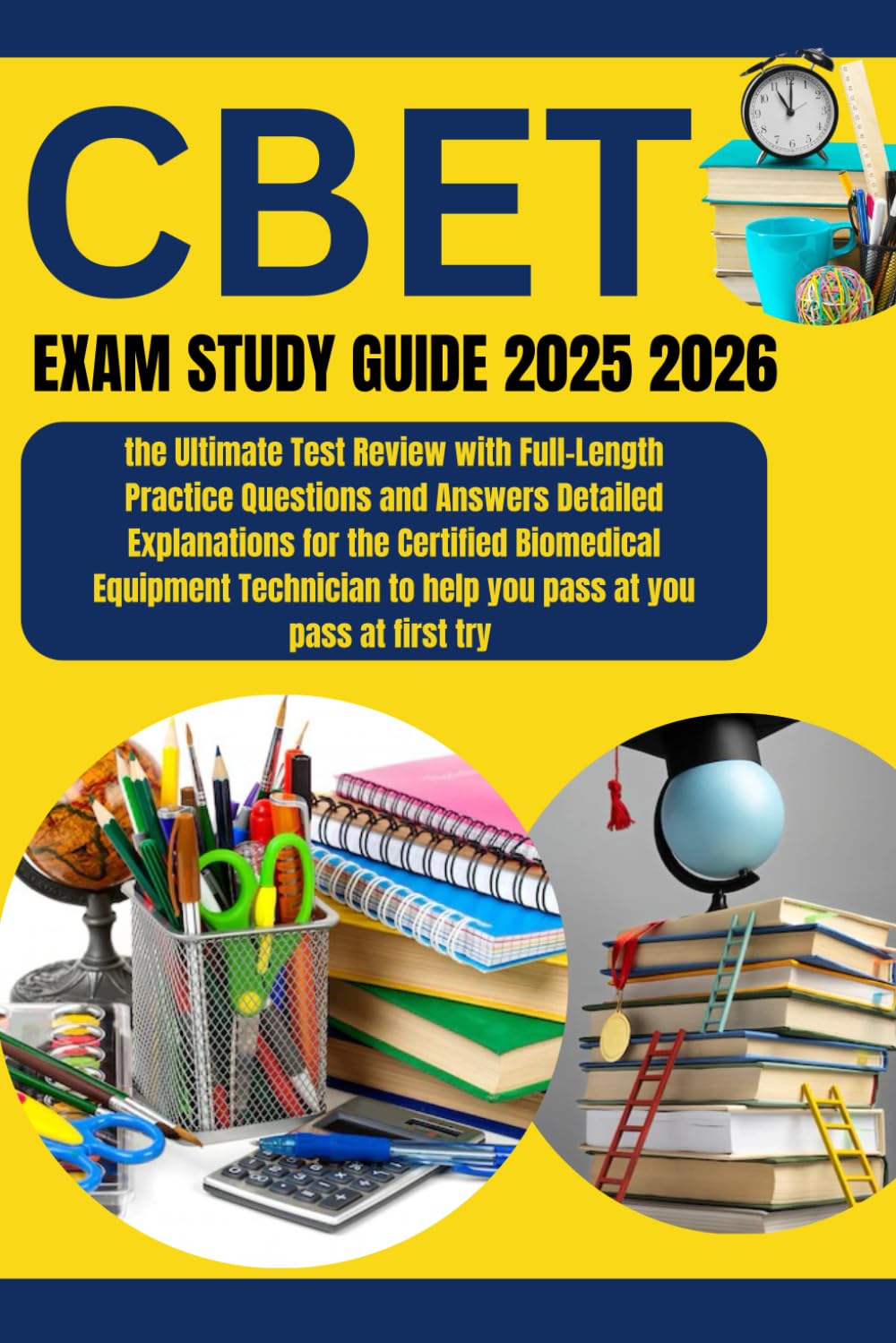
CBET Exam Study Guide
View on Amazon →
CBET Exam Flash Cards
View on Amazon →
Repair and Maintenance of Medical Devices
View on Amazon →
Biomedical Equipment Technician
View on Amazon →
Biomedical Equipment Maintenance and Safety
View on Amazon →
Medical Equipment Maintenance Management and Oversight
View on Amazon →
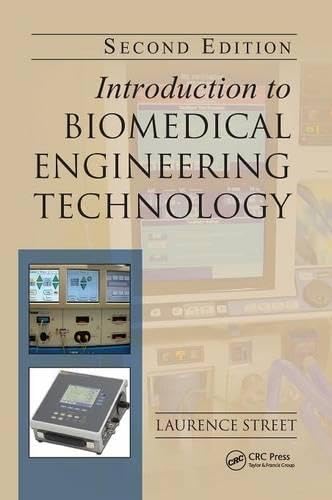
Introduction to Biomedical Engineering Technology
View on Amazon →
Extending Equipment's Life Cycle
View on Amazon →
CBET Exam Study Guide 2025-2026
View on Amazon →
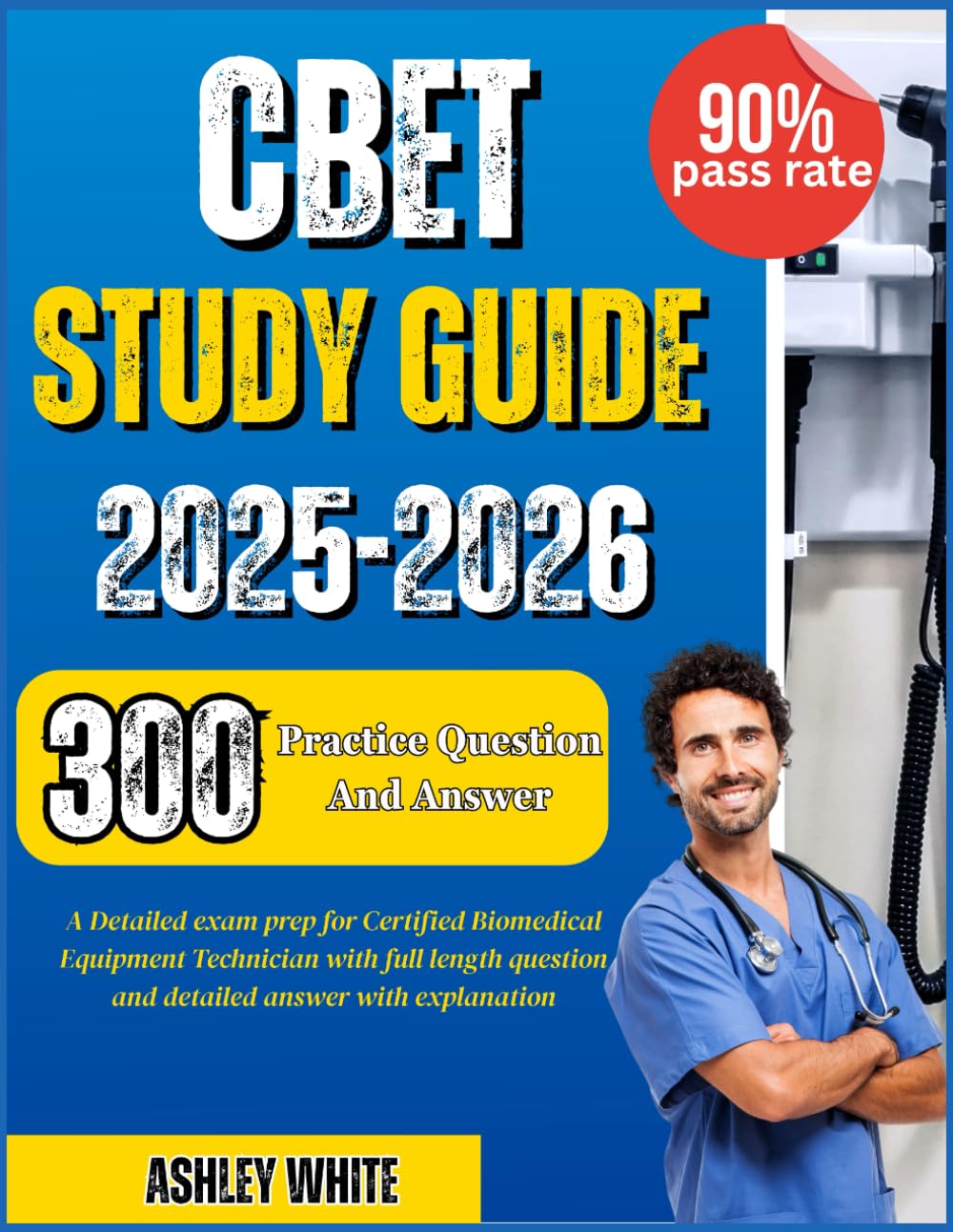
CBET Exam Study Guide 2025-2026
View on Amazon →
CBET Exam Study Guide 2025-2026
View on Amazon →
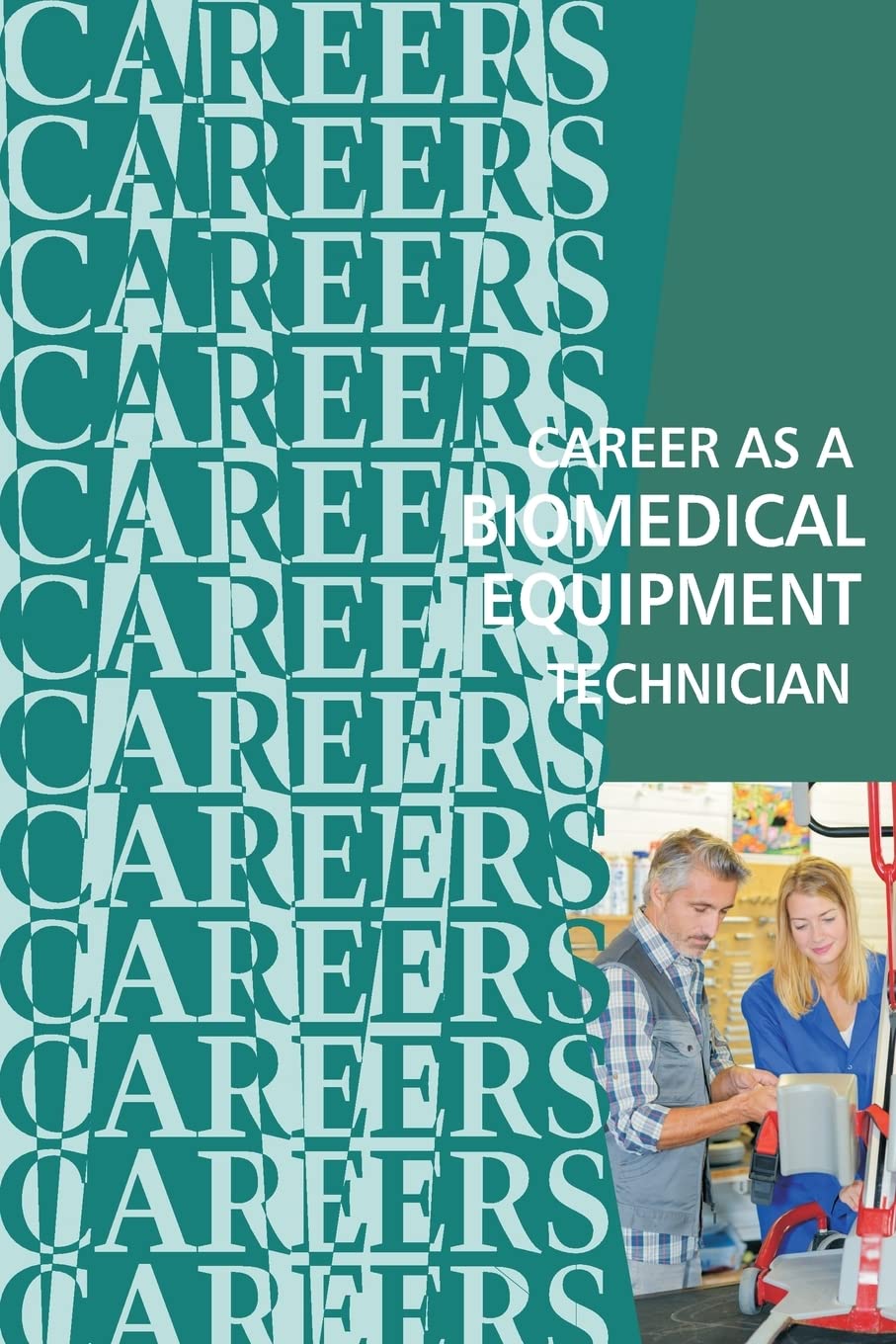
Careers as a Biomedical Equipment Maintenance Technician
View on Amazon →
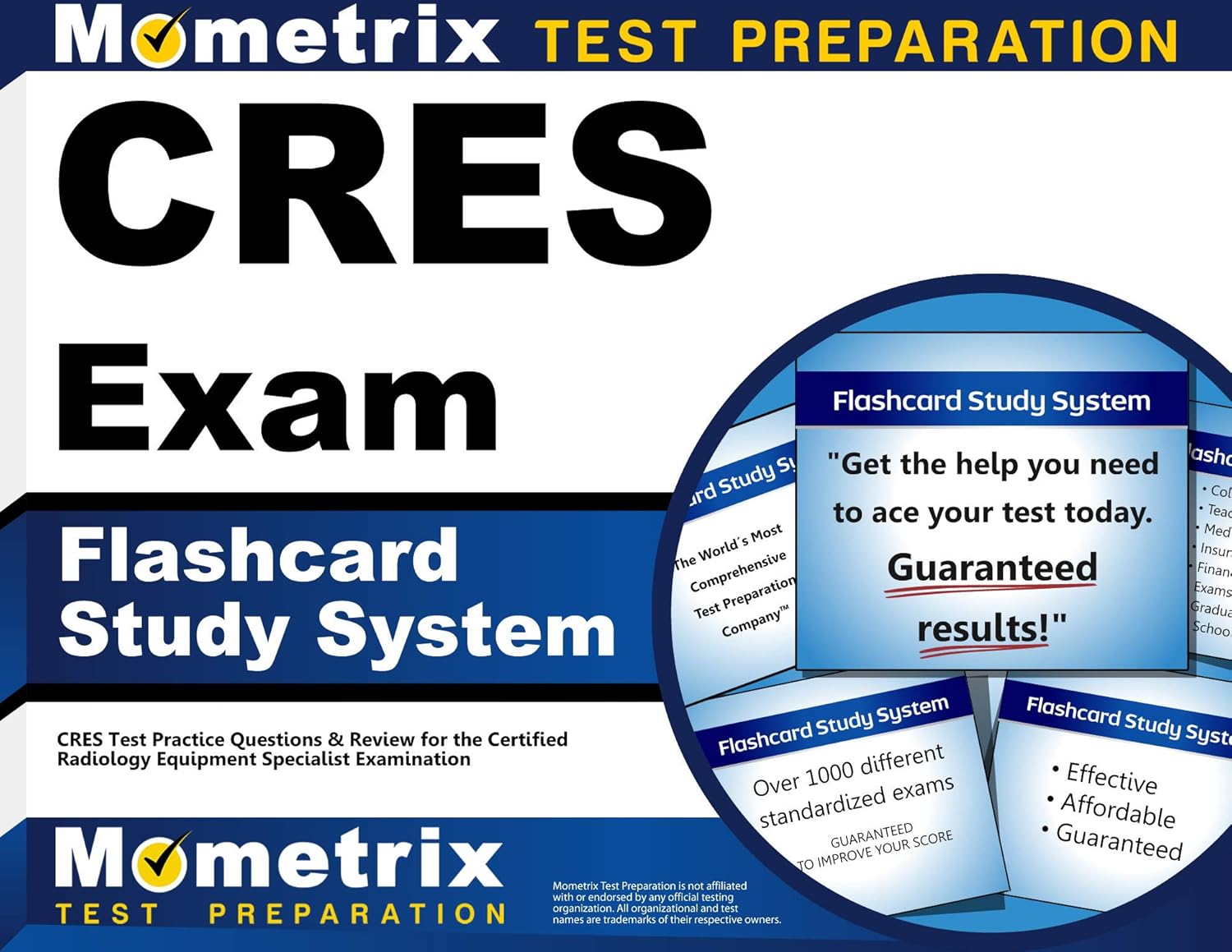
CRES Exam Flash Cards
View on Amazon →
CRES Exam Study Guide 2025-2026
View on Amazon →
Introduction to Clinical Engineering
View on Amazon →
Biomedical Engineering Fundamentals
View on Amazon →
Clinical Engineering Handbook
View on Amazon →
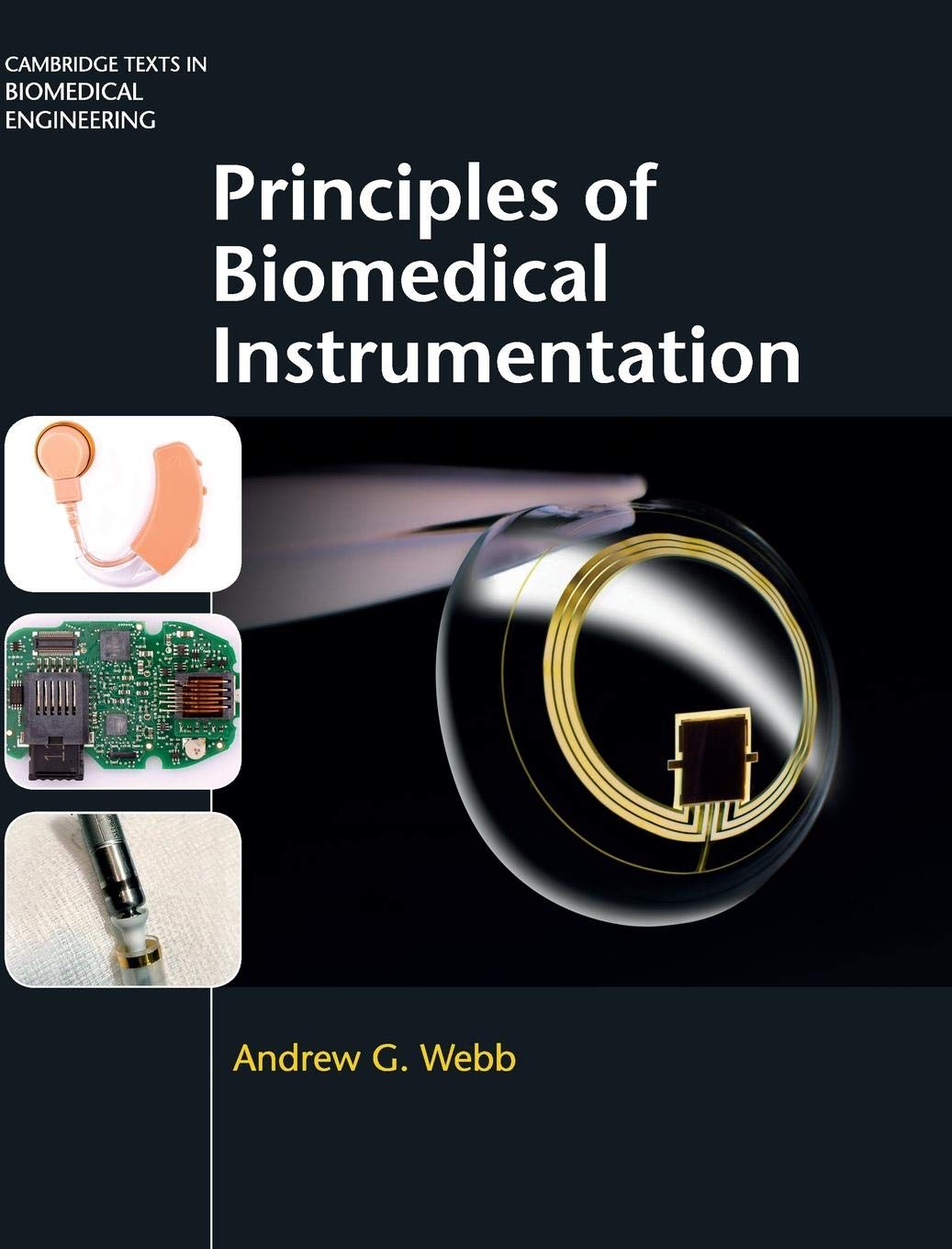
Principles of Biomedical Instrumentation
View on Amazon →
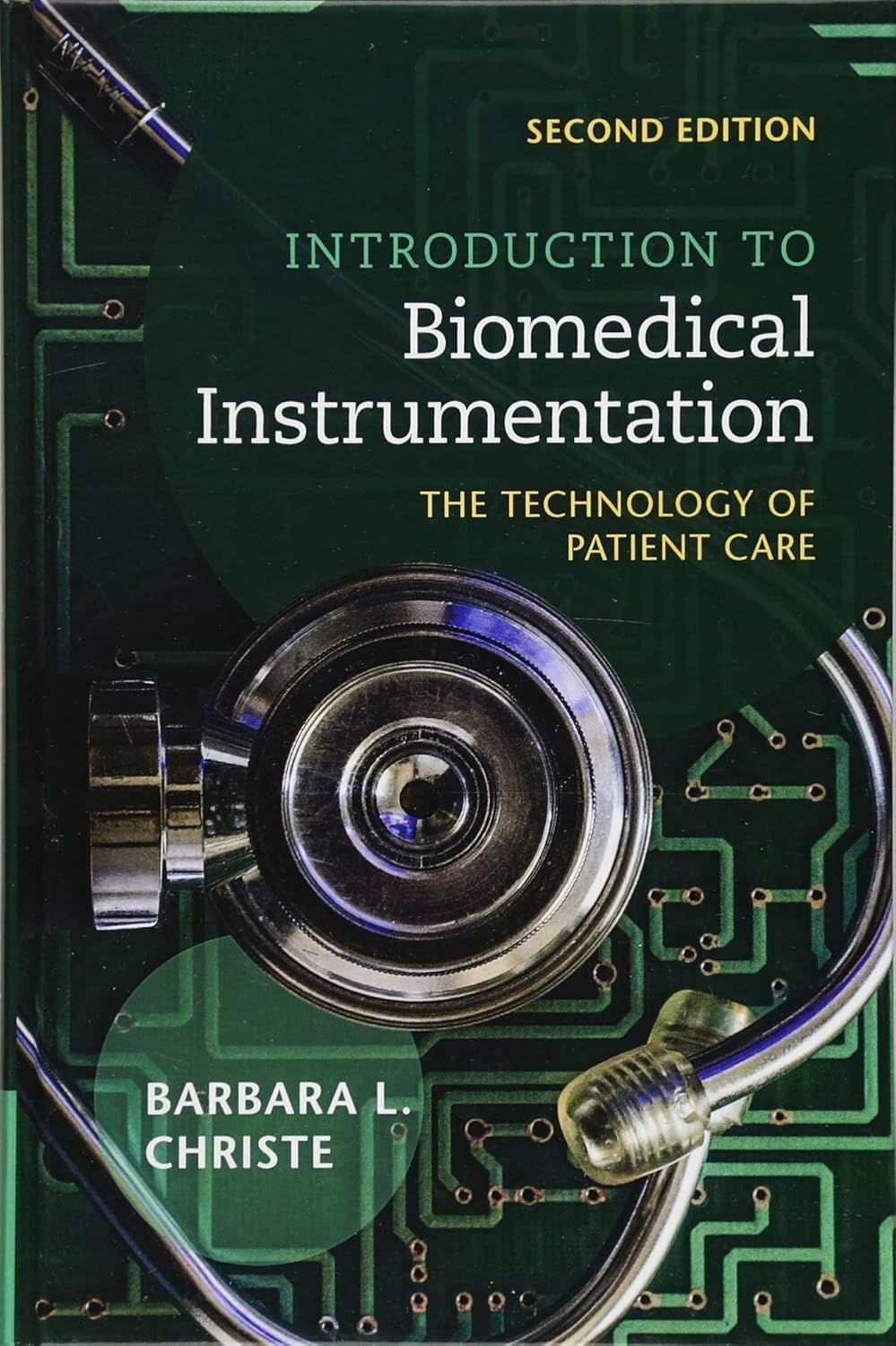
Introduction to Biomedical Instrumentation
View on Amazon →
Maintenance of Medical Technology
View on Amazon →
Introduction to Biomedical Engineering Technology
View on Amazon →
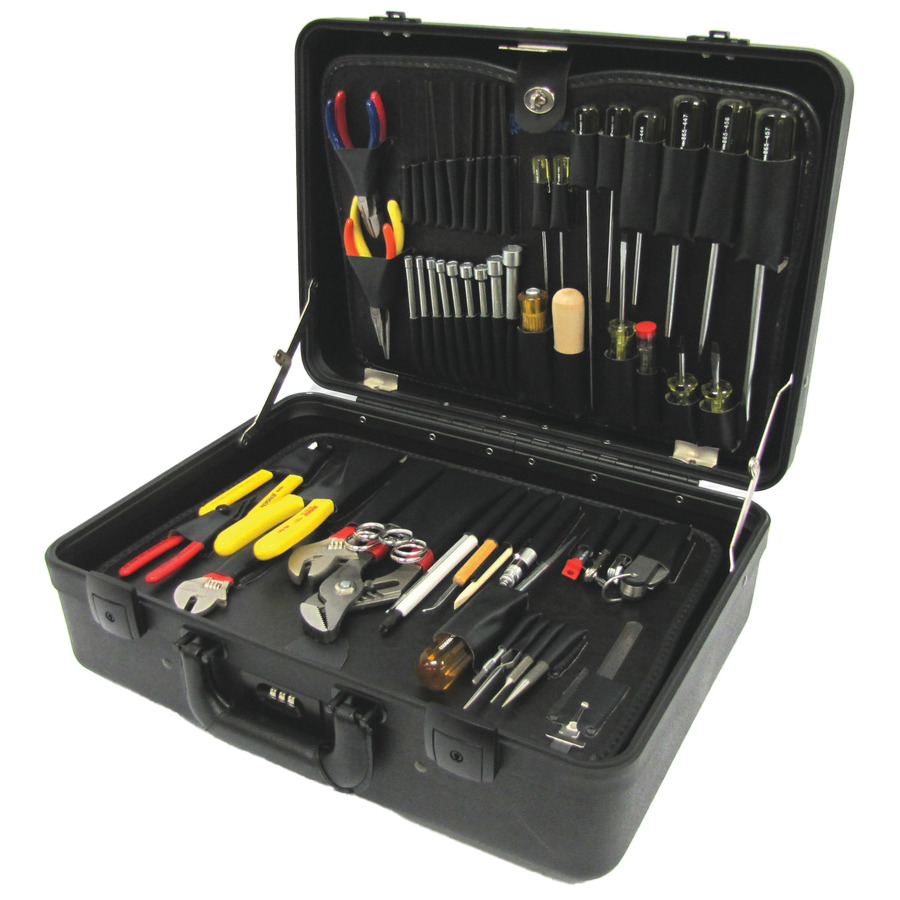
Jensen Biomedical Equipment Maintenance Technician Toolkit
View on Amazon →
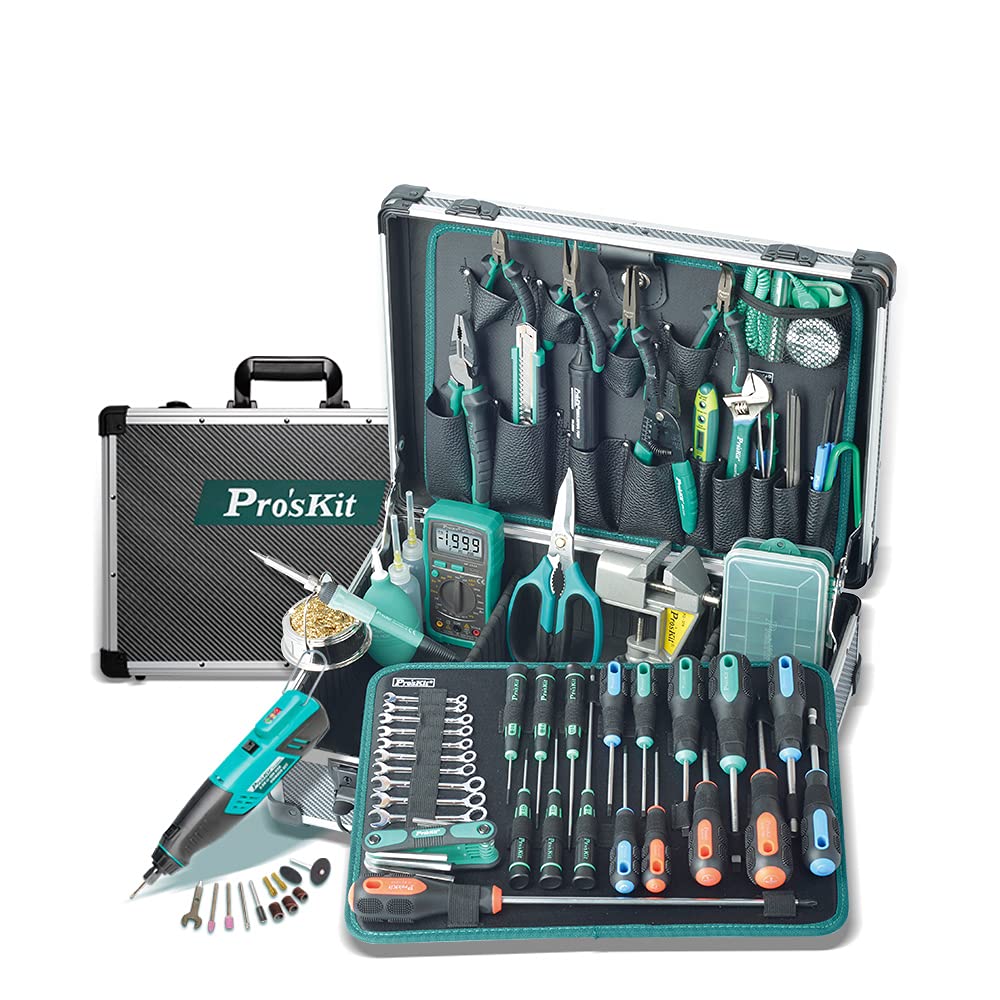
Pro's Kit Electronics Toolkit
View on Amazon →
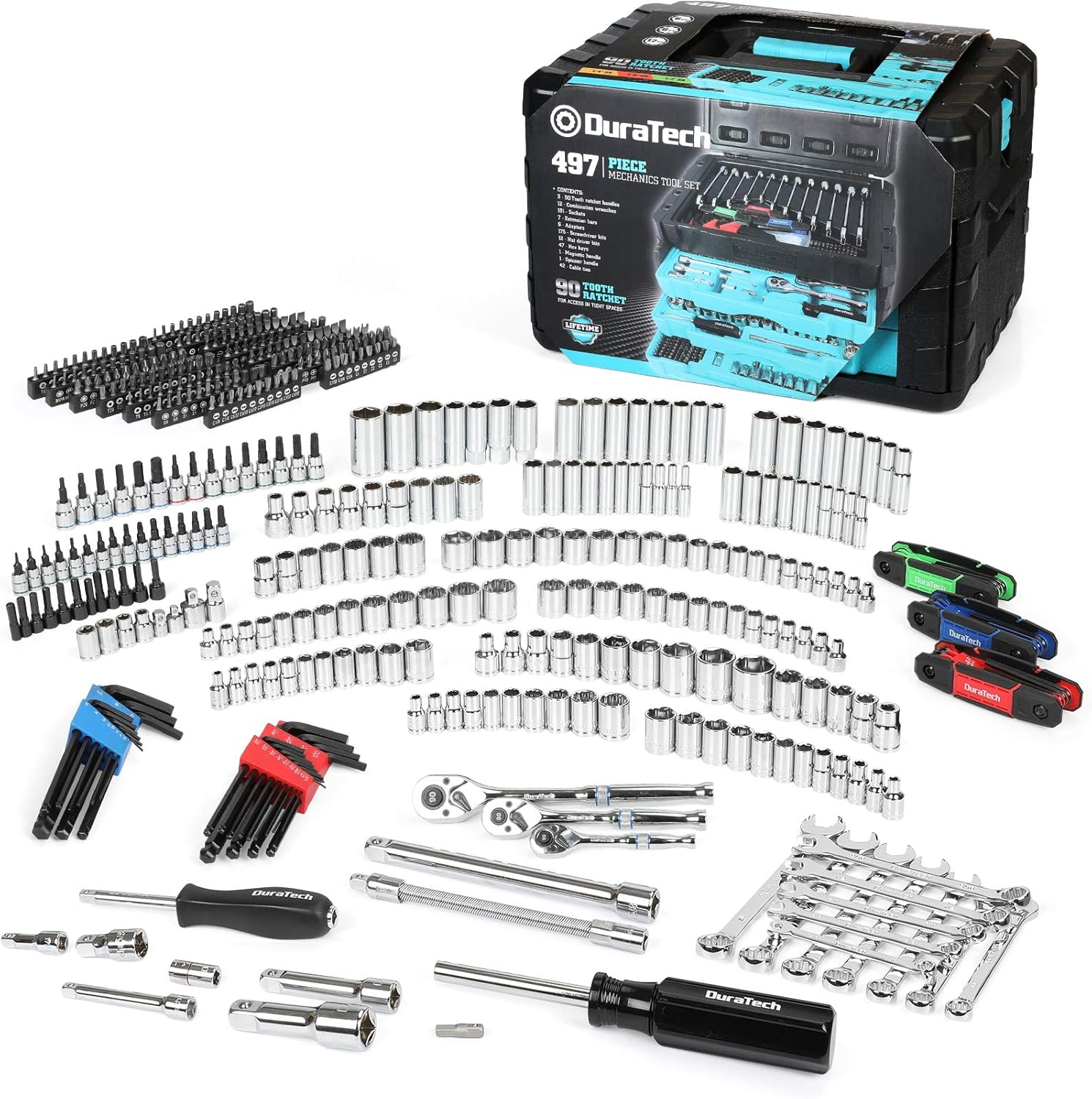
Duratech 497-Piece Mechanics Toolkit
View on Amazon →